Electronic Recycling

Data Centers, AI, and the Growing E-waste Nightmare

Share post:

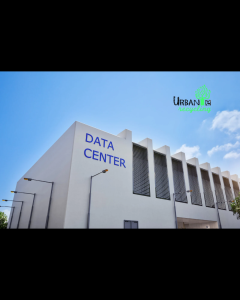
A modern white building labeled “DATA CENTER” with an Urban Recycling logo in the corner.
Aerial view of a large industrial warehouse building with surrounding parking lots and fencing, featuring the Urban Recycling logo in the top right corner.Massive data centers are being built worldwide, despite some countries’ reluctance to embrace both the need and the expense. And then there is the problem of electronic waste (e-waste). In the U.S., many new data centers currently on the drawing board are designed for artificial intelligence (AI). Unfortunately, managing the resulting e-waste is a dilemma with no viable solution.

A Troubling Report

Two blue industrial drums streaked with white residue, each labeled with a hazardous material warning symbol, against a green tiled background.The Basel Action Network (BAN) is a non-profit environmental group that takes a sobering view of the toxic e-waste generated by data centers, particularly those built to run AI. BAN researchers provide an eye-opening example of the issue. They estimate that within the next 25 years, shipping containers filled with e-waste “could encircle the globe six times.” Currently, no plan exists to deal with that much electronic trash.

Managing E-waste in the U.S.

Experts studying the problems associated with data centers and artificial intelligence agree that, in the U.S., we’re doing a highly ineffective job of managing e-waste. We dump some of it in countries overseas. The rest is mostly consigned to landfills, where it leaches into soil and water, creating environmental problems for plants, animals, and marine life, as well as health concerns for humans. The World Health Organization (WHO) reports that electronic waste makes up 70% of the toxic waste in the U.S. In fact, the WHO has identified more than 1,000 harmful substances in e-waste, and even small amounts can damage the soil and water near landfills.

Equipment concerns

In reaching their conclusions about the upsurge in e-waste, BAN researchers estimated the amount of computing power data centers require and then the amount of equipment needed by weight. For example, computer server racks weigh 1,360 kilograms each. Switches can weigh up to 30 kg, and the copper cable that connects the racks can weigh hundreds of kilograms. Data center equipment is not made to be reused; it must be replaced every two to five years. In addition, new computer system requirements will lead to replacing outdated consumer computers, cell phones, and telecom equipment, much of which will end up as e-waste.
In 2025, global management consulting firm McKinsey & Company estimated that to achieve the AI goals currently in the planning stage, $7 trillion in capital will be required worldwide to build data centers in which computer servers will run 24 hours a day. The equipment, the memory, storage, and energy required for data center operation are called compute power, and there is an insatiable need for more.

New data centers in the U.S.

A row of server racks glowing with blue indicator lights in a data center.According to BAN research, 4,871 new data centers are planned or under construction in the U.S., and AI will be put to work in most of them. Data center operations require networking and energy storage equipment, plus tons of copper and steel for power distribution and cooling. BAN estimates that by 2030, 100 gigawatts of new compute power will be distributed worldwide, along with volumes of e-waste to dispose of.
At Urban E Recycling, we recognize AI’s expanding influence in our lives. We are also aware of the serious e-waste disposal issues, as we deal with them daily. Customers who bring us their outdated electronic devices are discarding such equipment responsibly. We hope that this will develop on a larger scale as data centers become commonplace.  The public needs to understand better the growing nightmare of disposing of electronic waste.  

Illustration of a woman with long red hair in a green dress, holding a laptop in one hand and a charging cable in the other, sitting cross-legged.Mother Nature doesn’t want your old computers but we do.

Skip to content